Innovation follows a trajectory into the unknown characterized by proliferating ideas. It is a high-risk journey through a divergent space to extend the frontier of discovery, identifying and engineering what is possible.
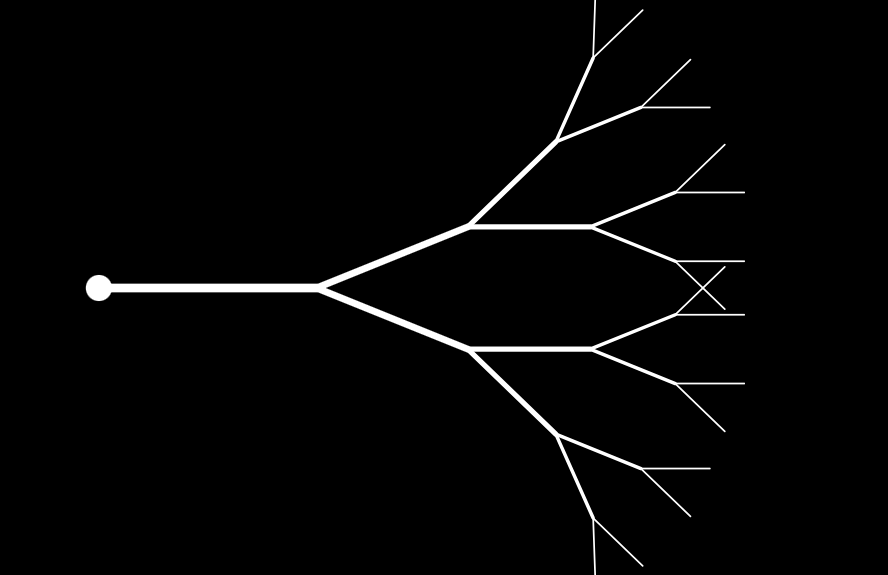
Raw ideation and divergence are only half of the journey. To survive, a vision must eventually be forced through strict operational constraints. This convergent space is where ideas are curated to eliminate failed hypotheses, separating the theoretically possible from the operationally executable. It is the disciplined consolidation of a concept into a defined roadmap with an ever-increasing probability of success.
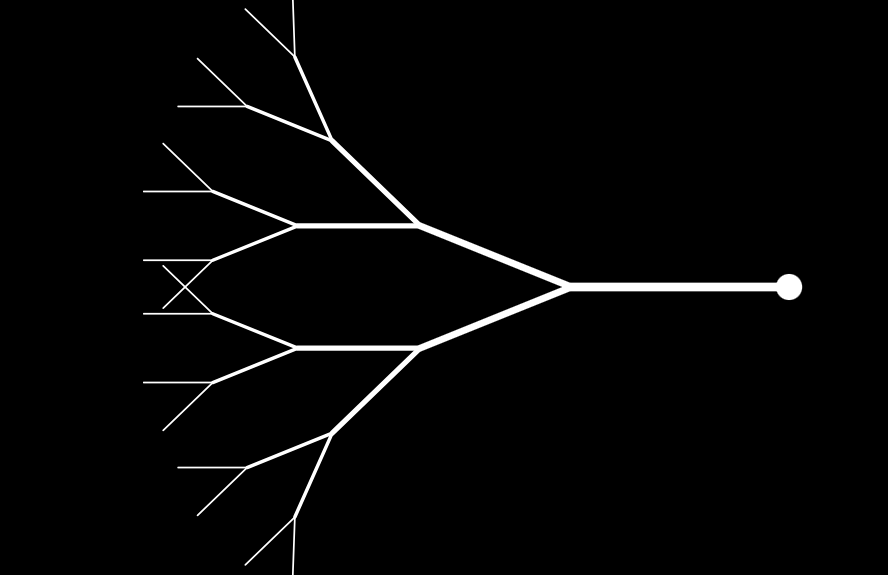
In early-stage deep tech, a natural friction exists. Startups must operate with freeform velocity to survive, while stakeholders—whether funders, governance bodies, or enterprise partners—must mandate standardized gates and criteria to mitigate risk. Forcing a founder through a rigid, top-down process often destroys the exact agility that makes them competitive.
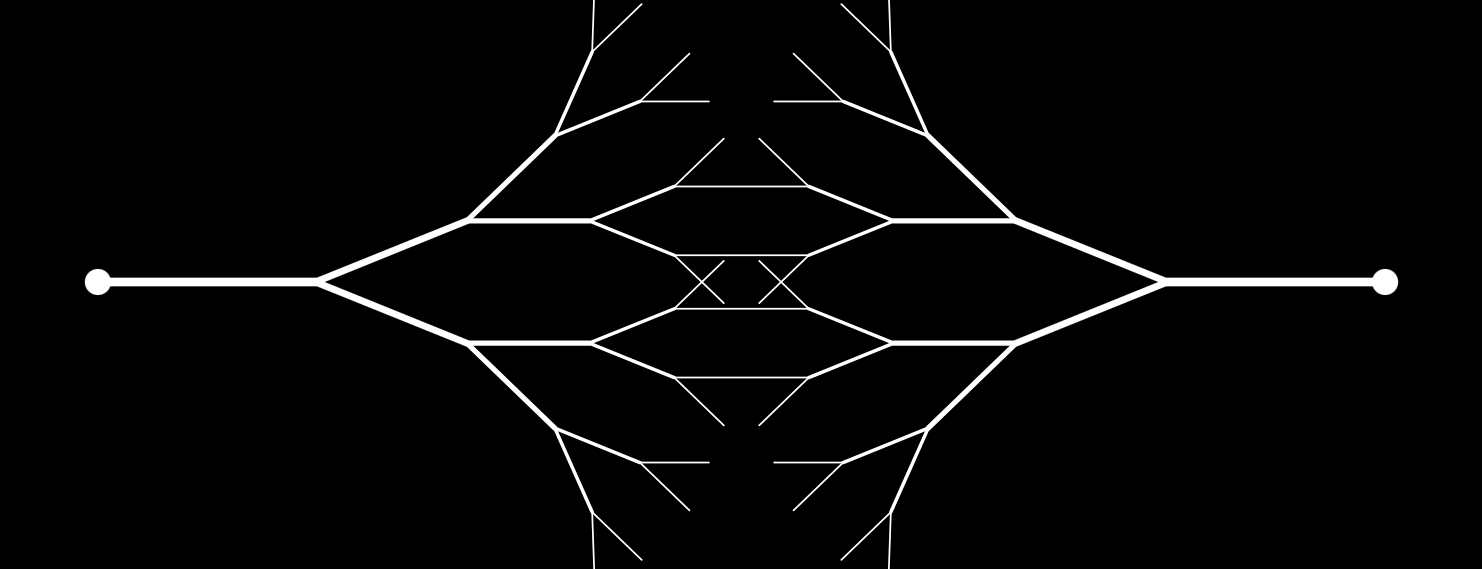
Cosmic Dolphin operates as a mission partner in this confluence of interests to come alongside founders with an engineered, modular toolkit. Serving as an integration engine, the founder’s raw vision is merged with strict stakeholder requirements—connecting paths across the ecosystems to engineer a single, cohesive, and highly executable deliverable.
In April 2024, NASA’s Space Technology Mission Directorate (STMD) identified 187 capability shortfalls pertaining to space operations. These represent critical technology areas requiring development to enable future exploration and commercial mission needs. This framework serves as a "Venture Roadmap" for institutional capital, ensuring R&D milestones align with validated government requirements.
1. The Strategic Priority:
Civil Space Shortfall Ranking — July 2024 (PDF)
The "Executive Summary" that organizes the 187 shortfalls into 20 capability categories and ranks them by urgency and criticality based on industry-wide stakeholder feedback.
2. The Technical Roadmap:
Civil Space Shortfall Descriptions — July 2024 (PDF)
The "Engineering Log" that provides the specific shortfall IDs and technical titles required for deep-tech validation and federal procurement alignment.
Supporting the NASA Lunabotics competition at the Exolith Lab provides hands-on visibility into how prototype systems handle severe environmental stressors, specifically lunar regolith simulant and the "Dust Mitigation" shortfall.
Forty-seven collegiate engineering teams embraced the challenge: constructing a berm in engineered lunar simulant by executing complex Dig, Traverse, and Dump operations, ranging from manual control to fully autonomous systems.
When it is time to transition from exploration to operational reality, you need an elite Mission Partner.
 Initiate Sequence